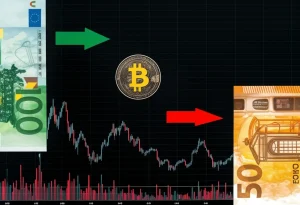




The interplay between economic influences and Bitcoin value is crucial now more than ever, especially as financial trends shape the crypto landscape. Understanding these factors not only prepares us for potential future fluctuations but allows us to navigate the volatile market more effectively.
Understanding Bitcoin Value in Today’s Economic Climate
Bitcoin’s value is not determined solely by market demand or technological advancements; it is also significantly impacted by broader economic factors. As the economy shifts, so does the perception of Bitcoin’s worth. For instance, during times of economic uncertainty, investors often turn to assets perceived as safe havens, including Bitcoin. This phenomenon, known as “digital gold” status, has become increasingly relevant as traditional markets fluctuate under stress.
Additionally, psychological factors, such as fear of missing out (FOMO) or panic selling, play a pivotal role in price movements. According to recent reports, these psychological triggers can amplify price swings, leading to significant volatility. Historical case studies provide excellent insights; for example, during the 2020 pandemic, Bitcoin saw substantial value fluctuations as investor sentiment shifted rapidly in response to economic developments.
The Role of Economic Influences on Bitcoin’s Potential
Macroeconomic indicators such as inflation rates, employment figures, and interest rates dramatically influence Bitcoin’s value. When traditional currencies weaken due to high inflation, Bitcoin often reacts positively as investors seek alternative stores of value. Additionally, government policies regarding digital assets can create ripple effects throughout the crypto market. For instance, supportive regulatory frameworks can bolster investor confidence, driving up prices.
Conversely, restrictive policies can inhibit market growth. As industry experts note, increased regulation can lead to liquidity crises, forcing many investors to offload their Bitcoin holdings. Thus, understanding the economic landscape is essential for anyone who wants to navigate Bitcoin effectively.
Current Trends in the Crypto Market Landscape
As of today, Bitcoin’s current valuation reflects several key market trends. Recent data illustrates that Bitcoin trades closely with macroeconomic developments, indicating that its value is increasingly correlated with broader economic cycles. One notable trend is the increasing participation of institutional investors in the crypto space, which adds another layer of complexity to Bitcoin’s valuation.
Emerging economic patterns, such as rising interest rates or increased global trade tensions, have shown a direct correlation with Bitcoin pricing. When investor sentiment sways positively, market analysts often witness sharp upticks in Bitcoin’s price. Understanding the nuances of these trends can offer investors a significant advantage; therefore, remaining informed is crucial for anyone involved in the crypto market.
Insights into Future Predictions for Bitcoin Value
Experts are divided on Bitcoin’s future trajectory, with many considering it a crucial asset for digital investing. Current predictions paint an optimistic picture, with potential for continued growth given the right economic conditions. Analysis of past events suggests that Bitcoin can recover from downturns vigorously, particularly following major economic shifts, such as the 2008 financial crisis.
However, historical data also cautions against complacency; fluctuations are normal and can be exacerbated by unforeseen macroeconomic events. Therefore, understanding market cycles and sentiment is vital for predicting Bitcoin’s future. Investors must remain agile, adapting strategies based on shifting landscapes and expert opinions.

Financial Trends Affecting Bitcoin and Crypto Investments
In current financial contexts, several trends impact Bitcoin investments. The implications of inflation, for instance, position Bitcoin as a potential hedge in turbulent economic climates. As inflation rises, many consider Bitcoin more attractive due to its limited supply.
Interest rates also play a pivotal role; low rates often lead to increased investments in higher-risk assets like Bitcoin. Conversely, rising rates can trigger a decline in investment behavior towards cryptocurrencies, squeezing their price. Investors must pay attention to these macroeconomic indicators to make informed decisions continuously.
Actionable Steps for Navigating Bitcoin Value Changes
Investors need to develop strategies that align with economic changes influencing Bitcoin’s value. Staying informed through reputable market analysis is one of the most effective ways to adapt. This could involve following economic news, monitoring investor sentiment, or engaging with financial advisors who specialize in the crypto market.
Consider implementing the following strategies:
– Diversify investments to mitigate risks related to Bitcoin volatility.
– Utilize market analysis tools to make informed investment decisions.
– Develop a risk management plan to navigate downturns effectively.
– Stay updated on regulatory changes that could impact the crypto landscape.
In conclusion, understanding economic influences is essential for effectively engaging with Bitcoin’s market. As the landscape continues to evolve, so must our strategies and knowledge.