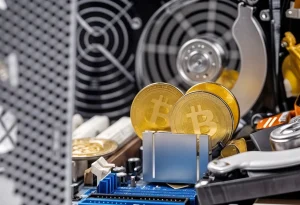




The evolving Iran crypto economy presents significant impacts on the global financial landscape, particularly in how nations can navigate economic sanctions. By utilizing innovative approaches like Bitcoin and stablecoins, Iran is reshaping traditional economic power dynamics, making this a crucial topic in today’s financial discussions.
Global Implications of Iran’s Crypto Economy
Iran’s initiatives in the crypto sphere might dramatically alter global finance. The rise of a multibillion-dollar digital currency ecosystem in Iran is not just altering its own economy but also has the potential to influence international monetary systems. For instance, as Iran increasingly relies on Bitcoin and stablecoins, it may set a precedent for other nations seeking financial independence from traditional banking systems and dollar hegemony. According to recent reports, Iran’s crypto ecosystem is estimated to reach around $7.78 billion by 2025, showcasing substantial growth in its digital currency operations.
Furthermore, the connection between cryptocurrency use and international trade dynamics cannot be understated. Nations grappling with trade sanctions may follow Iran’s lead, minimizing their reliance on the US dollar. This could pave the way for new trading partnerships built around cryptocurrency, creating an alternative network that challenges existing finance norms. The potential shift in global bitcoin mining power distribution further emphasizes the importance of Iran’s strategies in the criptocurrency landscape.
Alternative Financial Strategies Amid Sanctions
In an effort to circumvent US dollar dominance, Iran has turned to Bitcoin mining and stablecoins as preferred alternatives for both international trade and personal finance. By utilizing Bitcoin mining, Iran can generate revenue while avoiding traditional banking channels, effectively evading sanctions. This strategy has been bolstered by the Iranian Revolutionary Guard Corps (IRGC), which has been identified as a significant player in crypto inflows, reportedly linked to over $3 billion in transactions in 2025 alone.
Stablecoins, with their pegged value to traditional currencies, offer a secure means for cross-border transactions, allowing Iranians to engage in global commerce despite severe restrictions. As the country develops its digital currency framework, these stablecoins could serve as lifelines for citizens facing economic turmoil, further entwining the Iranian populace in the global crypto economy.
Current Developments in Iran’s Crypto Landscape
The Iranian government is actively modernizing its cryptocurrency regulations to better facilitate the thriving digital currency market. Recent updates indicate that the nation is adapting its mining policies to attract investments while ensuring that the infrastructure can support the growing demands of blockchain technology. As noted in various assessments, Iran’s regulations aim to optimize the benefits of a burgeoning crypto ecosystem, transforming it into a vital component of the national economy.
Moreover, there has been a noticeable increase in stablecoin usage among Iranian citizens. As they seek alternatives to the plummeting value of the national currency, citizens are turning to cryptocurrencies for day-to-day transactions. This trend not only highlights the shift towards digital finance but also strengthens the connection between the national economy and the burgeoning global market.
Challenges Threatening Iran’s Crypto Infrastructure
Despite the potential for growth in the Iran crypto economy, numerous challenges pose risks to its infrastructure. Recent military strikes have threatened Iran’s energy resources, which are essential for powering Bitcoin mining operations. This instability not only disrupts ongoing projects but also creates vulnerabilities within the broader crypto network. The reliance on a fragile energy grid makes Iran’s digital economy susceptible to external conflicts.
Moreover, external pressures, including intensified sanctions and international conflicts, could adversely affect local markets. The crypto networks that are supposed to provide resilience may themselves become compromised without adequate protections against these fluctuations. Thus, ensuring the viability of Iran’s crypto infrastructure is critical for its sustained growth and integration into the global economy.
Future of Cryptocurrency in Iran
Looking ahead, the future of the Iran crypto economy appears dynamic yet uncertain. Predictions indicate potential shifts in global bitcoin mining power, with Iran likely to increase its share significantly. Estimates suggest that Iran could account for between 2% to 5% of global bitcoin mining power in the near future, which would elevate its stake in global cryptocurrency dynamics.
The influence of regional conflicts on the future of crypto trends is also an important consideration. As economic landscapes shift, nations may adopt similar strategies to Iran, employing cryptocurrency to buffer against sanctions and financial isolation. This evolution reflects a broader trend towards using crypto as a means of economic resilience in turbulent times.
Engaging with the Future of Global Finance
The evolving landscape of Iran’s crypto economy also holds vital lessons for other nations contemplating similar strategies. Policymakers must consider the role of cryptocurrency in developing frameworks that bolster national financial independence. As conversations about economic resilience deepen, the potential leveraging of cryptocurrencies may redefine relationships between nations. Encouraging critical discussions on sanctions and their impacts is essential as countries navigate this transformative era in global finance.
As Iran progresses in its adaptation to the cryptocurrency sector, its experience may offer keys to understanding the future of finance. The ongoing innovations and adaptations in Iran’s crypto landscape emphasize the need for a flexible approach to cryptocurrencies in ever-evolving economic environments, forever changing the way nations interact in the global financial system.