



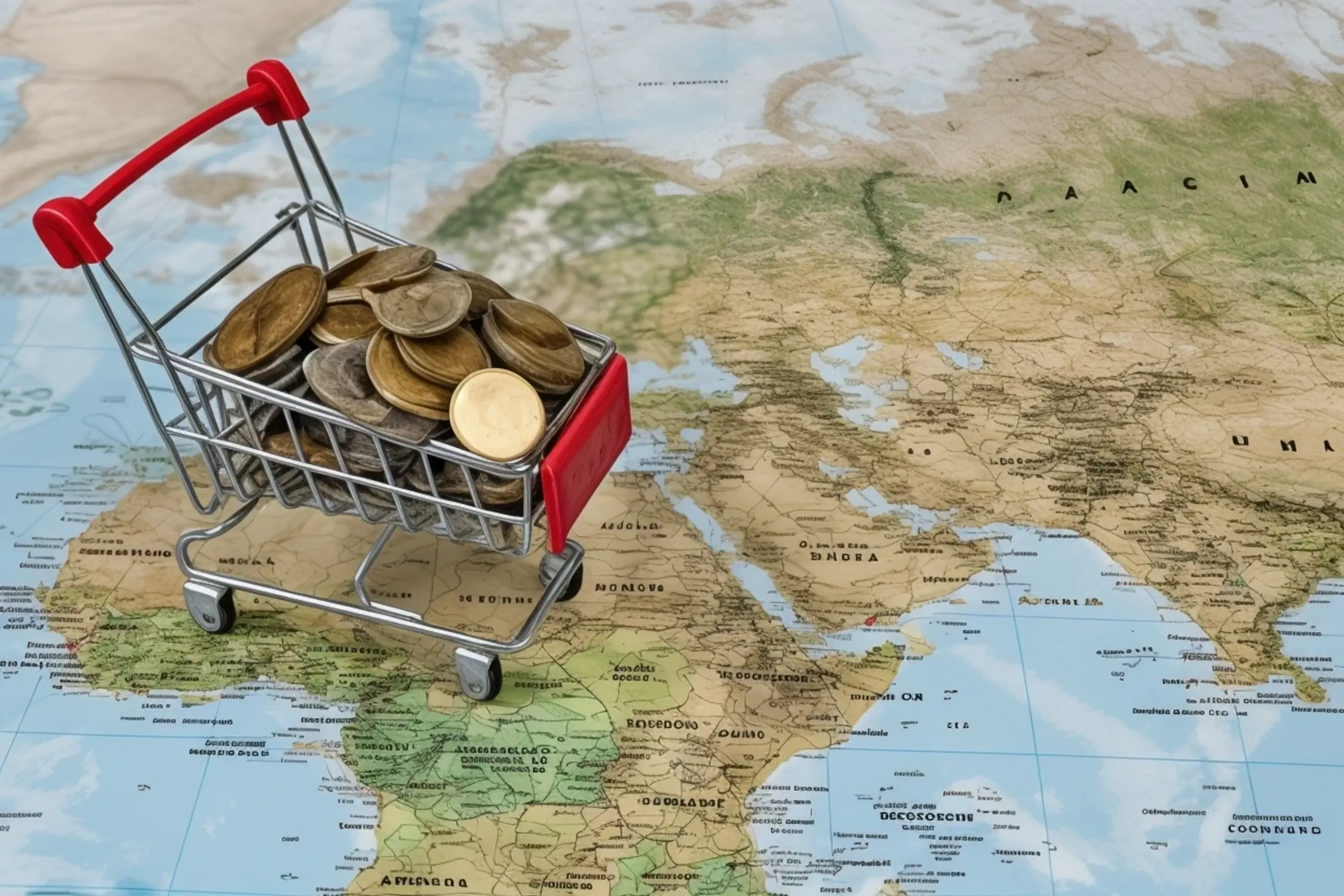
Emerging economies are taking significant steps to reduce their reliance on the dollar by utilizing local currencies in trade, impacting global finance. Understanding this shift can provide insights into new trade dynamics and potential economic opportunities.
Shifting Trade Dynamics in Global Economy
Emerging economies are reshaping their trade practices significantly by increasingly adopting local currencies for transactions. This shift comes as a response to the pervasive dollar dominance that has characterized global finance for decades. The reliance on the U.S. dollar has long made international trade susceptible to fluctuations in U.S. monetary policy and economic conditions. Countries like Russia, Turkey, and Brazil are leading this charge, seeking new pathways in trade that are less dependent on a currency that can often be influenced by geopolitical factors.
For instance, several emerging markets now pursue bilateral trade agreements that prioritize local currencies, allowing countries to bypass dollar transactions. This is not merely a reactionary measure; it’s also a strategic choice aimed at enhancing sovereign economic stability and insulating themselves from external pressures.
Local Currencies: A Growing Trend in Trade
Local currencies play a pivotal role in modern trade, especially for emerging economies. They are defined as the national currencies of countries engaged in trade agreements, as opposed to dominant foreign currencies like the U.S. dollar. The importance of using local currencies is profound, enabling nations to engage in trade without the need to convert funds to dollars, which often incurs additional costs and risks associated with exchange rate volatility.
Emerging economies stand to benefit significantly from settling transactions in local currencies. Some key advantages include:
– Cost savings: Reducing transaction fees associated with currency conversion.
– Enhanced trade balance: Mitigating trade imbalances caused by reliance on dollar-based exchanges.
– Increased sovereignty: Allowing countries to maintain more control over their economic policies without being influenced by dollar fluctuations.
This trend offers a viable alternative to traditional dollar-based trade systems, which have often restricted the financial agility of these economies.
Venezuelan Oil Trade: A Case Study
Venezuela presents a fascinating case study with its oil exports and currency usage. Traditionally, oil has been traded in U.S. dollars, but recent events have compelled Venezuela to explore alternative currencies, making significant strides in selling oil for the Chinese renminbi and the euro. This dramatic shift highlights the country’s efforts to evade U.S. sanctions and enable a more stable trading environment.
By engaging in trades denominated in local or alternative currencies, Venezuela is redefining its position in the global oil market. Such moves could eventually disrupt established global oil trade dynamics, shifting the focus from dollar transactions to a more diversified currency portfolio. This transition underscores how vital alternative currencies have become in international trade, as geopolitical tensions continue to rise.
Economic Implications of Dollar Dependence Reduction
The reduction of dollar dependence has far-reaching implications for global markets. When emerging economies successfully pursue local currencies for trade, it potentially alters how markets behave. One immediate impact is the reshaping of trade imbalances, creating a more equitable trading environment that could foster stronger economic partnerships among nations.
As emerging economies bond through localized trade agreements, the global economy may witness the formation of new alliances. This represents not just a trend but a broader movement towards economic multipolarity, where multiple currencies play significant roles in international transactions, further diluting the dollar’s longstanding monopoly on global trade.

US Intervention: Historical Context and Future Concerns
The U.S. has historically acted to safeguard its economic interests, particularly regarding its currency’s role in oil trade. In the case of Venezuela, U.S. intervention has aimed to revert oil transactions back to dollar-denominated deals. This strategy revolves around restoring order and control over markets that significantly impact the dollar’s weight in global finance.
Future U.S. interventions may include political maneuvers aimed at influencing international perceptions of the dollar. Such actions could further assert the dollar’s position but might also antagonize other nations pursuing local currencies, thus complicating international relations and trade agreements.
Opportunities for Local Trade Solutions
For businesses looking to engage in local currency trades, several strategies should be considered:
– Develop partnerships with local businesses to facilitate smooth transactions.
– Stay informed about currency fluctuations and associated risks in different markets.
– Leverage technology solutions that simplify the process of currency exchange and trading.
Navigating the transition to local currencies requires understanding the unique economic landscapes of trading partners. However, the prospects for emerging economies to leverage local currencies appear bright, paving the way for more sustainable economic practices and deeper international relationships.