

As AI in Crypto gains traction, investors are re-evaluating their strategies amid rapid advancements and significant market shifts. Understanding this evolution is crucial as we approach 2026, where artificial intelligence promises to reshape trading strategies and influence the entire crypto landscape.
The Importance of AI in Crypto Markets
AI is transforming investment strategies in the crypto sector, offering unprecedented capabilities for analysis and decision-making. Investors are increasingly leveraging artificial intelligence to identify patterns and trends that were previously difficult to discern. This technology is particularly relevant in volatile environments like crypto markets, where rapid price fluctuations can lead to substantial gains or losses. By utilizing AI, investors can better differentiate between genuine opportunities and potential pitfalls, enhancing their overall investment acumen. As reported by Coinbase, understanding AI’s role in current markets is essential for navigating the complexities of crypto investments.
Current Developments Fueling AI Adoption
The rapid advancements in AI technology are significantly impacting crypto markets. Recent innovations include algorithms capable of high-frequency trading, predictive analytics, and deep learning models that analyze market sentiment. Key players in the industry, such as Nvidia and Open AI, have made substantial investments in AI, pushing the boundaries of what’s possible in crypto. These investments have already begun to show results, with AI-powered cryptocurrencies demonstrating noteworthy market performances. According to industry insights, this trend is expected to accelerate as we near 2026, leading to even more sophisticated AI applications within the sector.
Economic Implications of AI Investment
The growing investment in AI-powered crypto ventures, amounting to approximately $565 million in 2025, indicates a budding economic shift that could redefine the landscape by 2026. With experts predicting that AI could contribute up to $20 trillion to the global economy by 2030, the ramifications extend beyond just crypto markets. As noted by Coinbase, this shift represents a fundamental change in how investments are made and managed, emphasizing the crucial role AI will play in future economic models.
How AI is Shaping Trading Strategies
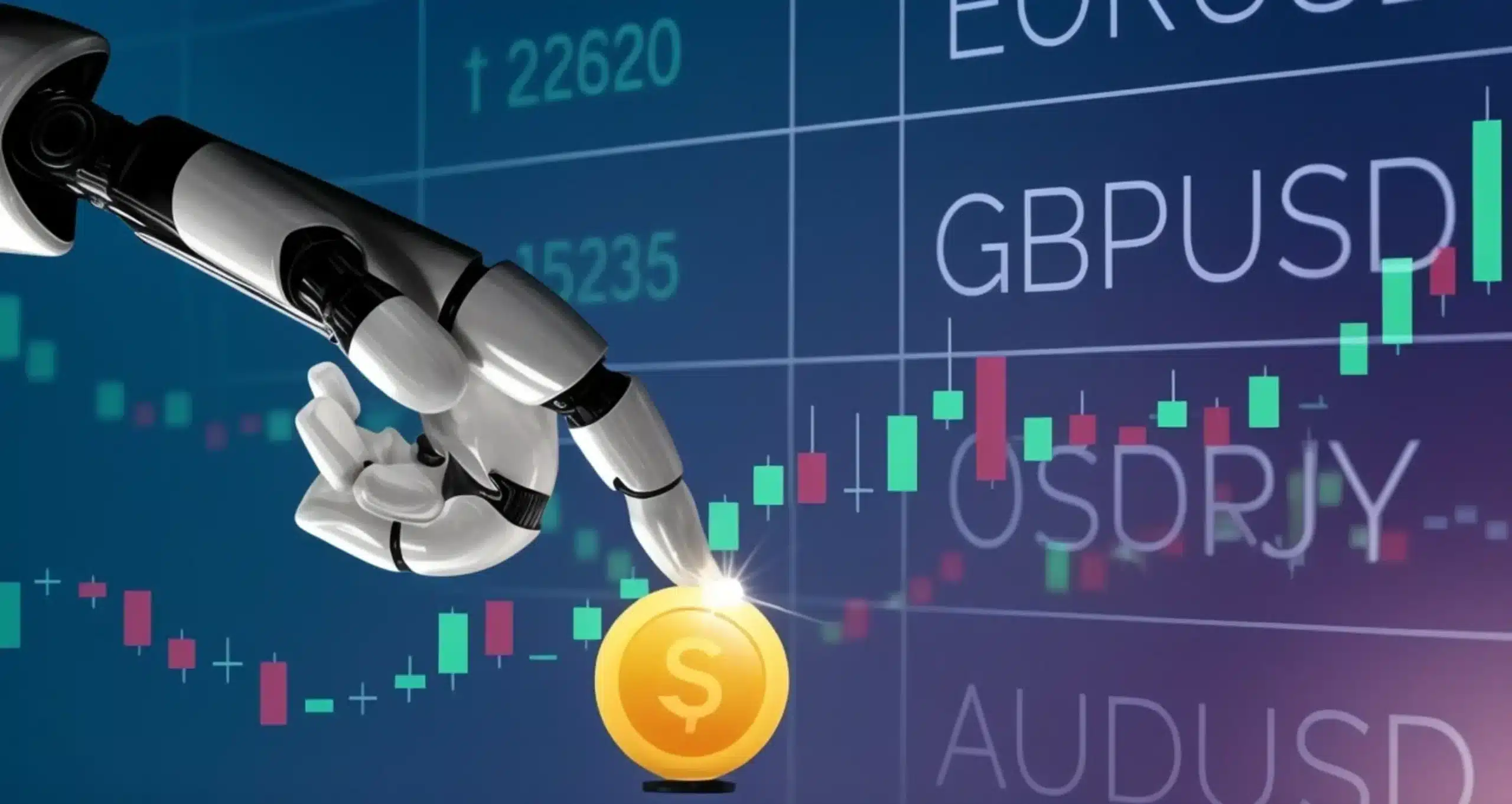
Innovative trading strategies leveraging AI are emerging as investors seek an edge in crypto markets. Techniques like algorithmic trading and sentiment analysis are becoming commonplace, providing traders with real-time insights based on comprehensive data analysis. For example, some traders have successfully executed strategies using AI algorithms to capitalize on price swings, effectively maximizing profits during market volatility. The role of data analysis cannot be overstated; with AI, investors can process vast amounts of data much quicker than traditional methods, enhancing their trading decisions significantly.
Expert Opinions on AI in Crypto by 2026
Industry leaders such as David Duong and Ray Dalio have weighed in on the future of AI in crypto. Their insights suggest that the next few years will see profound changes, as AI technologies become more ingrained in trading strategies. Analysts’ predictions indicate that as these technologies continue to evolve, they will reshape investor behavior and market dynamics. Engaging with these expert opinions is vital for investors seeking to refine their strategies in anticipation of emerging trends.
What Investors Can Do Now
Investors interested in incorporating AI into their trading strategies should start by educating themselves about the technology and its applications in crypto. Several resources, including online courses and workshops, can help investors understand AI’s potential impact. Additionally, staying updated with continuous trends and shifts within the crypto markets is crucial. Practical steps include experimenting with AI-driven tools and strategies, as well as networking with tech-savvy individuals in the crypto space. By taking these actions now, investors position themselves to navigate the future landscape effectively.