



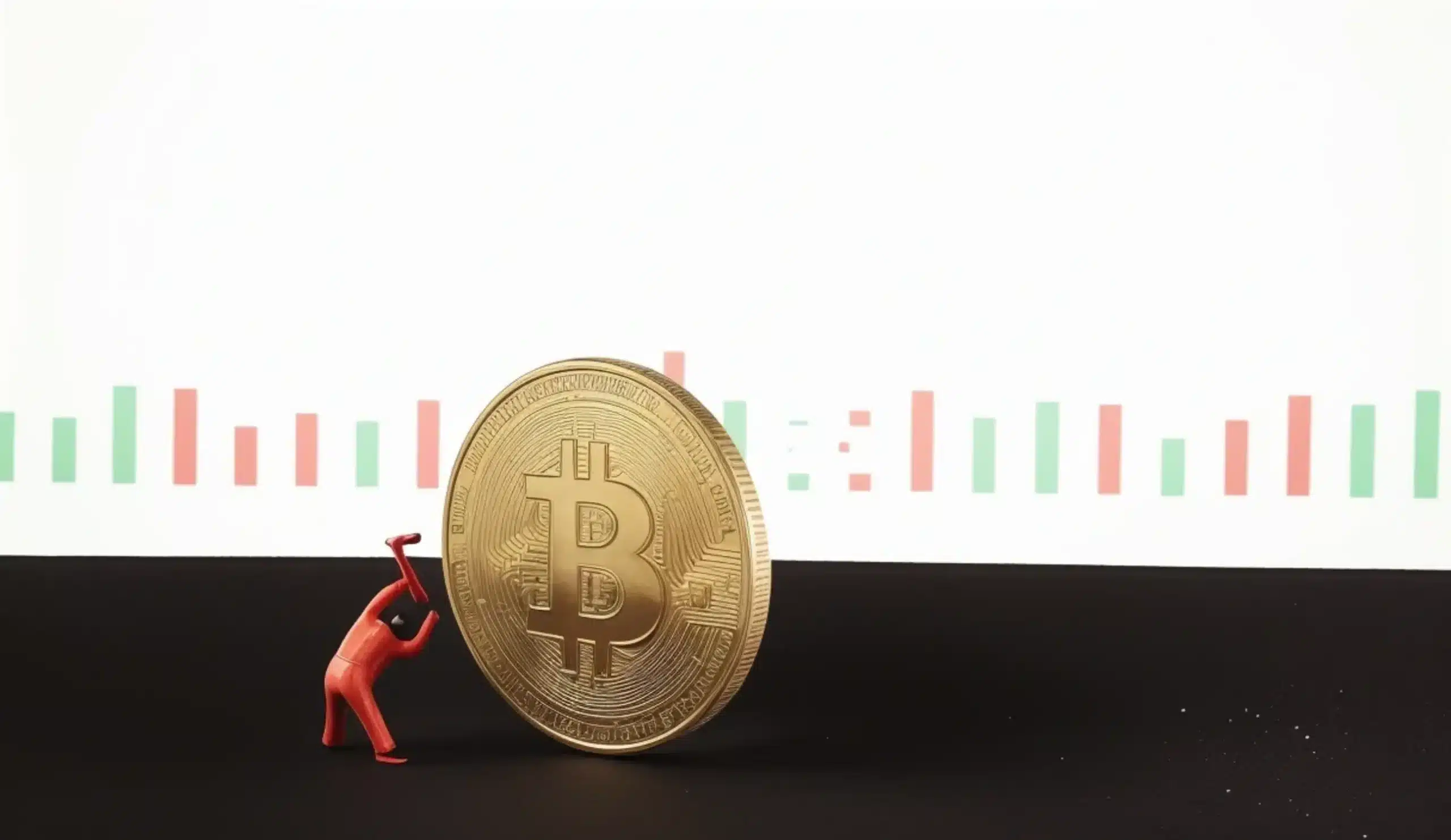
As inflation continues to rise, investors are increasingly turning to Bitcoin as a hedge against economic uncertainty. Understanding how inflation affects Bitcoin’s value and its macro positioning helps realize its role in portfolio diversification during turbulent times.
Relevance of Inflation and Bitcoin Today
Current inflation rates are alarming for investors, with many fearing that rising prices could erode the purchasing power of traditional currencies. In this climate, Bitcoin is gaining traction as a potential inflation hedge, often being viewed as a digital gold. This perception has been bolstered by Bitcoin’s limited supply and decentralized nature, which make it less susceptible to inflationary pressures compared to fiat currencies. According to recent reports, Bitcoin’s macro positioning is particularly appealing during inflationary periods when traditional investments may falter.
Understanding the economic backdrop of inflation adds significant context to Bitcoin’s appeal. As central banks around the world implement monetary policies aimed at combating inflation, investors are seeking alternative assets. This shift highlights the interconnection between inflation and Bitcoin, especially as investors reassess their strategies during economic uncertainties that could threaten financial stability.
Economic Indicators Driving Bitcoin Adoption
Several economic indicators are influencing the growing adoption of Bitcoin as a hedge against inflation. Recent trends in the Consumer Price Index (CPI) and core inflation figures reveal a worrying inflationary environment. For instance, according to various economic analyses, core CPI has recently hit an 8-month low, prompting the Federal Reserve to reconsider its monetary policies. Such measures could, in turn, create market conditions that favor Bitcoin, a digital asset that thrives when economic policies lead to increased uncertainty.
Additionally, fluctuations in the job market significantly impact Bitcoin prices. When the job market shows weakness, it often leads to decreased consumer confidence. This apprehension about employment stability can drive more investors toward Bitcoin as they seek refuge in perceived stable assets. Factors like these present a unique intersection of economic indicators and Bitcoin adoption, demonstrating how traditional market trends influence the cryptocurrency landscape. This interconnectedness is often underscored in discussions about establishing Bitcoin’s role amidst complex economic stressors.
Inflation and Bitcoin: Interconnected Dynamics
The dynamics between rising inflation and Bitcoin’s market performance are intricate. As inflationary pressures mount, Bitcoin usually reacts with increased interest from investors looking for a store of value. This relationship underscores the broader implications of economic conditions on cryptocurrency behavior. When inflation accelerates, it often leads to enhanced volatility across financial markets, with Bitcoin frequently emerging as a more favorable investment.
Insight into Bitcoin’s macro positioning can further clarify its function as a hedge against inflation. Throughout periods of economic strain, Bitcoin tends to retain its value better than traditional currencies, thus serving as a counter-cyclical asset. This resilience is pivotal for investors aiming to combat the adverse effects of inflation on their portfolios, thus reinforcing Bitcoin’s status as part of a diversified investment strategy.
The Role of Household Debt in Bitcoin’s Demand
The growing household debt levels significantly impact investment strategies, elevating Bitcoin’s demand as a hedge against financial instability. As total household debt rose to a staggering $18.8 trillion in early 2025, the implications for the economy became evident. High levels of consumer debt can constrain households’ spending power, leading to escalating concerns about economic growth and financial health. This environment creates an ideal backdrop for cryptocurrencies like Bitcoin, which can offer investment alternatives to more traditional savings methods plagued by low-interest rates and inflation.
When consumers face increasing debt burdens, they often look to Bitcoin not just as a speculative asset but as a refuge. The perception that Bitcoin can withstand economic downturns is heightened when traditional financial systems show signs of distress. As highlighted by patterns in credit card delinquency rates, with 12.7% of credit-card balances being 90 or more days overdue, the connection between escalating consumer debt levels and Bitcoin’s market performance becomes more pronounced. Investors are thus likely to gravitate toward cryptocurrencies amid growing economic concerns.

Market Volatility: Bitcoin’s Response to Economic Strain
Bitcoin’s response to market volatility underscores its resilience during times of economic strain. Throughout significant market downturns, Bitcoin has exhibited an ability to retain value better than many traditional assets. Analyzing its historical price fluctuations gives insight into how Bitcoin behaves during periods of heightened uncertainty.
The catalysts for Bitcoin’s strong performance during crises can be numerous. Institutional adoption, growing mainstream acceptance, and essential market liquidity contribute to this digital asset’s ability to bounce back. As market conditions fluctuate, investor confidence in Bitcoin tends to rise, reinforcing its position as a potentially lucrative investment alternative during turbulent times offers a vital lesson for those navigating financial uncertainty.
Actionable Steps for Investors Pursuing Bitcoin
Investors interested in incorporating Bitcoin into a diversified portfolio must take strategic steps to mitigate risks associated with inflation. Some effective strategies include:
– Understanding market trends: Closely monitor economic indicators and Federal Reserve announcements that could impact Bitcoin prices.
– Diversification: Balance investments between Bitcoin and other asset classes to spread risk while seeking inflation protection.
– Educating yourself: Utilize resources available for further education on cryptocurrency investments, including webinars, eBooks, and online courses.
By implementing these actionable steps, investors can better position themselves to navigate the complexities of investing in Bitcoin as a hedge against rising inflation. Adopting a calculated approach, combined with an awareness of macroeconomic trends, will enhance their ability to thrive during uncertain financial times. As industry experts note, understanding trends in household and corporate debt, along with the Federal Reserve’s actions, is crucial in shaping investment strategies.