


As oil price shocks reverberate through global markets, investors must understand their impact on Bitcoin valuations and the strategies they can employ to mitigate risks. This intersection of oil prices and crypto economics is critical for informed decision-making.
Relevance of Oil Price Shocks in Today’s Economy
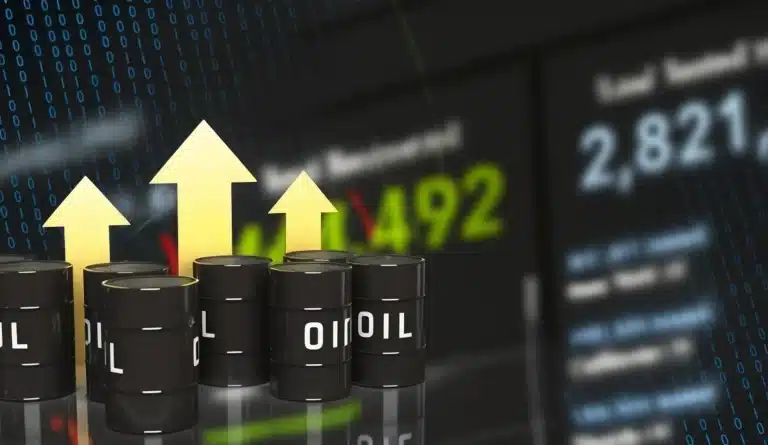
Oil price fluctuations hold significant weight in the current economic landscape. When oil prices rise suddenly, they can destabilize not only the energy markets but also broader economic conditions. For instance, increased oil prices often translate to higher transportation and production costs, which can stoke inflation. Investors in cryptocurrencies, including Bitcoin, should be aware that these economic pressures can profoundly affect the value of their assets.
Studies show that inflation generally leads to an increase in Bitcoin valuations as investors seek hedges against currency devaluation. Moreover, according to assessments by market analysts, high and volatile oil prices could create a ripple effect, influencing investor sentiment across markets. Understanding these dynamics is essential, especially as Bitcoin is seen by some as a digital gold alternative that could potentially benefit from inflationary environments.
Current Oil Market Dynamics and Their Effects
The global oil market has been experiencing notable changes, affected by geopolitical tensions and shifting supply-demand balances. Recently, events such as political rhetoric and international conflicts, notably those involving major oil producers, have driven prices upward. For example, President Donald Trump recently stated, “There will be no deal with Iran except unconditional surrender,” which caused a significant increase in West Texas Intermediate oil prices by 11%, affecting both Bitcoin and stock markets negatively. This suggests that when oil prices rise due to geopolitical crises, Bitcoin often reacts by declining alongside traditional markets, reflecting generalized investor unease, as noted in coverage by Bloomberg.
As oil supplies tighten, historical data reveals that Bitcoin market effects can mirror those of traditional energy markets. When oil prices spike, it’s critical for investors to monitor these trends and consider their implications on their cryptocurrency holdings.
Economic Implications of Rising Oil Prices
Sustained increases in oil prices are likely to exert inflationary pressure on the economy. When oil becomes more expensive, the costs of goods and services also climb, leading to a rise in the Consumer Price Index (CPI). According to industry experts, every 10% sustained move in oil prices can add 0.1 to 0.2 percentage points to the CPI. This inflationary trend could compel the Federal Reserve to reconsider its monetary policy, potentially delaying interest rate cuts. Such delays would leave Bitcoin valuations vulnerable as rising rates generally do not favor riskier assets in the short term. For example, if oil prices continue to escalate thanks to extended geopolitical tensions, the Fed might adjust its projections and lead Bitcoin to another round of price corrections.
This interaction between oil pricing and monetary policy suggests that investors must continuously adapt their strategies. Current conditions emphasize the need for diversification and being vigilant about market changes.
Historical Context: Previous Oil Shocks and Bitcoin Reactions
Historically, significant oil price shocks have often correlated with notable shifts in Bitcoin’s value. For instance, during past oil crises, Bitcoin displayed both upward and downward volatility, reflecting investors’ fears and risk assessment strategies. Analyzing these instances reveals critical patterns; namely, that Bitcoin often reacts negatively during prolonged periods of high oil prices followed by a downtrend in economic conditions. Such was the case during previous geopolitical tensions, where Bitcoin initially spiked but later fell as the economic fallout settled in. Learning from these patterns can provide a roadmap for investors today as they contend with similar challenges. Investors must identify previous oil shocks while preparing to interpret the potential cryptocurrency market reactions to current conditions.
Investment Strategies Amid Oil Price Uncertainty
Navigating Bitcoin investments during oil price shocks requires innovative strategies to mitigate risk. Here are some actionable approaches:
– Asset Diversification: Consider spreading investments across various cryptocurrencies and stable assets, reducing dependence on oil-affiliated economic factors.
– Hedging Techniques: Investing in commodities or financial derivatives can protect portfolios against unforeseen oil price hikes.
– Staying Informed: Leverage tools and resources that monitor oil price trends as well as crypto market fluctuations to remain agile.
Successful investors are those who remain ahead of the curve by anticipating how fluctuations in oil prices might influence their investments in Bitcoin. Adapting to these changes can not only preserve capital but also enhance growth potential in uncertain markets.

What the Future Holds: Navigating Unpredictability
Speculating on future oil price trends can be a daunting task for investors. Geopolitical factors, such as shifting alliances and emerging conflicts, will likely play a crucial role in determining oil price trajectories. As highlighted by recent developments, consistent attention to these geopolitical crises can help investors prepare their strategies. Moving forward, it’s essential for investors to maintain flexibility in their investment strategies, adapting to rapid market changes influenced by oil prices. The interplay of oil markets and Bitcoin investment choices makes this fluidity vital for navigating future uncertainties.
Conclusion and Key Takeaways
In conclusion, understanding oil price shocks is imperative for crypto investors to anticipate and navigate potential market impacts. The discussions outlined reveal the interconnectedness of oil markets and Bitcoin valuations, highlighting unique risks and strategies. As the financial landscape continues to evolve, ongoing education regarding market influences will support improved decision-making and potentially safeguard investments in volatile times. Investors who remain proactive in adapting their strategies in the face of uncertainty can position themselves advantageously for future growth in the crypto sphere.